A repair ticket rarely tells the full story on its own. Look through property inspections that ensure compliance and maintenance alongside your work order history, and a clearer picture starts to form. At PMI Potomac, we've found that owners who track these patterns catch expensive problems months before they become emergencies.
Nationally, the median owner-occupied home is 41 years old, according to the U.S. Census Bureau's American Housing Survey, and that number matters for Rockville landlords managing properties built decades ago. Older homes mean older plumbing, older roofing, and older HVAC equipment, all of which fail more often than newer systems.
Key Takeaways
- A repair log with repeat entries usually points to age, not chance.
- Reviewing maintenance history helps owners catch failing systems early.
- Budgeting ahead for replacements avoids costly emergency spending later.
- Reliable systems reduce tenant complaints and support lease renewals.
- Vendor coordination that tracks patterns saves money over time.
Reading the Signs Before They Become a Crisis
Most owners notice a repair here and there and think nothing of it. That changes once the same fixture, appliance, or system starts appearing on the work order more than once in a year.
Plumbing corrodes gradually across an entire line, not just at the point where a leak surfaces. A roof loses integrity as a whole system, even if only one section shows visible damage. HVAC equipment wears down internally long before a homeowner hears a strange noise or feels uneven airflow.
Systems That Tend to Repeat
Across our portfolio, these show up most often:
- Water heaters and supply lines
- HVAC compressors and blower motors
- Roof flashing and shingles
- Exterior siding and trim
- Window seals and frames
Two or more service calls on the same system within a year is worth flagging for a closer look.
The Part of the Problem You Can't See
A stain on the ceiling or a slow drip under the sink is usually the visible tip of something larger happening behind the wall or under the floor. That's exactly why maintenance coordination that catches missed repairs matters so much for Rockville owners managing multiple units.
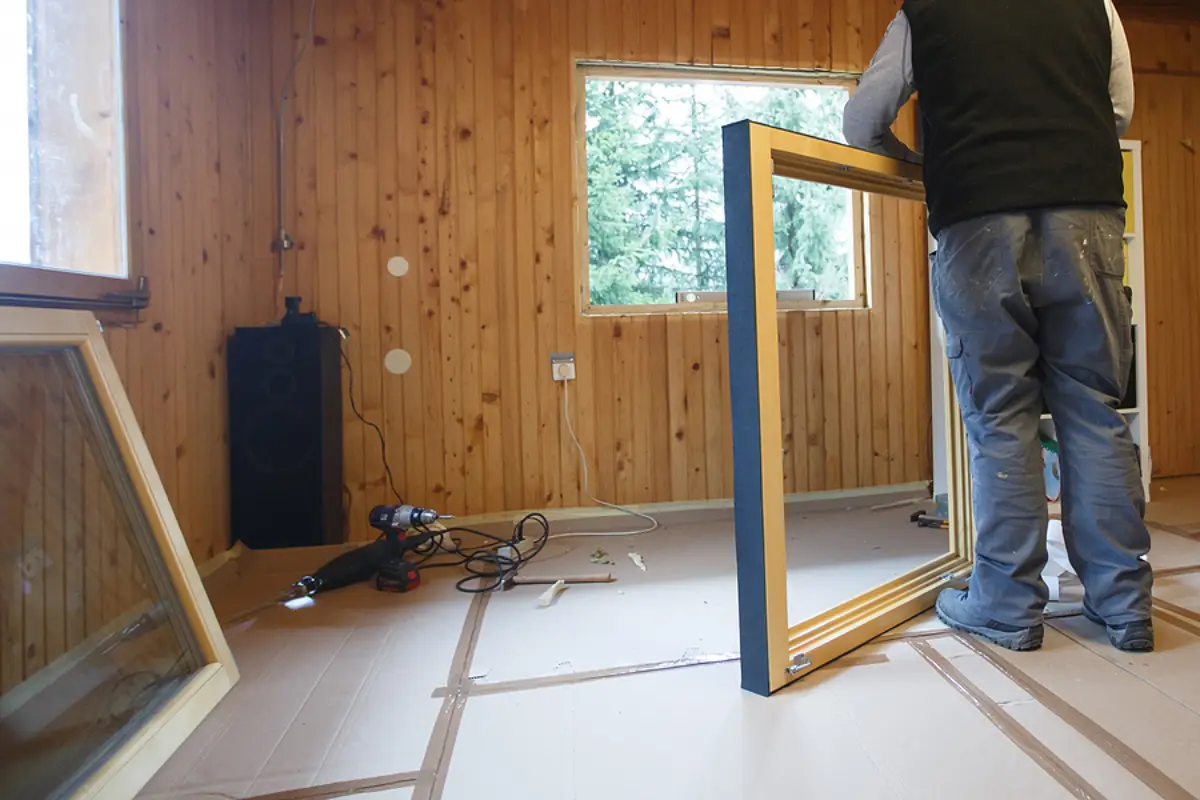
Aging windows illustrate this well. One drafty window in a unit might be an isolated seal failure. Three or four windows showing the same symptom around the same time point to material age across the whole unit, not one bad installation.
Weighing Repair Against Replacement
Small repairs make sense while a system is structurally sound. At some point, though, the accumulated cost of repeated fixes exceeds what a full replacement would cost.
A few signs suggest that the point has arrived:
- Repair frequency on the same system climbs within a single year.
- Each visit costs more than the last one did.
- After-hours or emergency calls become routine rather than rare.
- Nearby damage, like warped flooring or water stains, keeps reappearing.
None of these alone demands immediate action, but stacked together, they build a strong case for planning a replacement rather than another patch.
Turning Repair History Into a Planning Tool
A single work order tells you almost nothing useful. A full year or two of repair records tells you plenty. The Joint Center for Housing Studies of Harvard University estimated that homeowners spent around $503 billion on remodeling and repairs in 2024, a figure that reflects just how much upkeep the nation's aging housing stock requires.
Reviewing your own records with that context can surface patterns such as:
- Plumbing leaks clustering in the same section of a property
- HVAC repairs that show up right before each season change
- Appliance failures following a predictable cycle
- Roof leaks reappearing after every major storm
Owners who track this shift from reacting to emergencies toward planning around known cycles, which usually lowers total spending over time.
Deciding What Gets Fixed First
Few owners can replace every aging system at once, so prioritizing matters. A roof that has already leaked twice this year likely outranks a water heater that's simply older but hasn't failed yet.
Weigh these factors against one another:
- Remaining repair costs compared to full replacement costs
- How much service life a system likely has left
- The effect on tenant satisfaction and complaint volume
- Whether the timing allows for planned budgeting instead of a rushed decision
Rockville's rental market keeps evolving, and tenant expectations continue to shift as investors respond to demand. Reliable systems increasingly factor into what renters expect from a well-managed property.
Staying Ahead of the Next Breakdown
Waiting for complete failure almost always costs more than replacing a system on your own timeline. Seasonal HVAC checks, annual roof evaluations, and routine plumbing assessments give owners the chance to catch wear before it turns into a weekend emergency call.
This approach also strengthens tenant relationships. Residents notice when problems get solved quickly and don't keep resurfacing, and that reliability often shows up later in renewal decisions. Clear accounting practices also help owners track how maintenance spending affects overall returns, making it easier to justify a bigger investment when the numbers support it.
Getting a Clear Read on Where You Stand
Understanding your property's true condition starts with an honest assessment rather than guesswork. A free rental analysis can help identify whether recurring repairs point to a bigger investment opportunity or a replacement need you haven't budgeted for yet. Pairing that analysis with clear owner resources gives you the full picture before committing to a major expense.
FAQs about Recurring Repairs in Rockville, MD
My tenant says a repair "never really got fixed." How do I know if that's fair?
Ask the vendor for a written summary of what was done and why. If the same complaint returns within a few months, the fix likely addressed a symptom rather than the underlying cause.
Is it normal for repair costs to increase each time the same issue comes up?
Yes, and it's a warning sign. Rising costs on repeat visits usually mean the system is deteriorating further each time, making replacement more cost-effective than continuing to patch it.
Will a major system replacement require me to relocate my tenant temporarily?
Rarely for most single-system replacements. Larger jobs affecting water or electricity may require a day without full service, which is easier to schedule around a vacancy or lease turnover.
Who decides whether a repair or a replacement is the right call?
It's a shared decision. We provide the repair history, cost comparisons, and vendor recommendations, and you make the final call based on your budget and long-term plans for the property.
How far in advance should I start budgeting for a major system replacement?
Ideally, twelve to eighteen months out. Reviewing repair history annually gives you enough lead time to set aside funds gradually instead of facing a sudden, unplanned expense.
Setting Rockville Rentals Up to Handle Whatever Comes Next
Every property owner eventually faces the choice between another repair and a full replacement, and the owners who come out ahead are the ones who've been tracking the signs all along. PMI Potomac helps Rockville landlords make that call with real data instead of guesswork, pairing repair history with practical budgeting so nothing catches you off guard. Ready to see what a stronger maintenance plan looks like for your property? Explore our maintenance services and start building a plan around it.
